 Minhaz
Digestive health is an important part of overall well-being in the United States. Many people deal with problems like bloating, constipation, acid reflux, and stomach discomfort. In many cases, daily eating habits play a big role in these issues. A healthy diet can help the digestive system work smoothly and reduce many common stomach problems. Foods rich in fiber, vitamins, and natural nutrients support the gut and help the body break down food properly. Drinking enough water and eating balanced meals can also support digestion. In the United States, doctors often recommend simple diet changes before using medications. Healthy eating habits can improve energy levels, support gut bacteria, and reduce inflammation in the digestive tract. Over time, better food choices can protect the stomach and intestines from long-term problems. Understanding how diet affects digestion can help people make better daily choices.
How can a healthy diet improve digestive health?
A healthy diet supports the digestive system by providing nutrients that help the stomach and intestines work properly. The right foods can improve gut bacteria, reduce irritation in the digestive tract, and help the body absorb nutrients more efficiently. Many digestive problems can improve when people focus on balanced meals and natural foods.
Fiber-Rich Foods Support Smooth Digestion
Fiber is one of the most important nutrients for digestive health. It helps food move through the digestive system and supports regular bowel movements. Many people in the United States do not eat enough fiber each day, which can lead to constipation and other digestive issues.
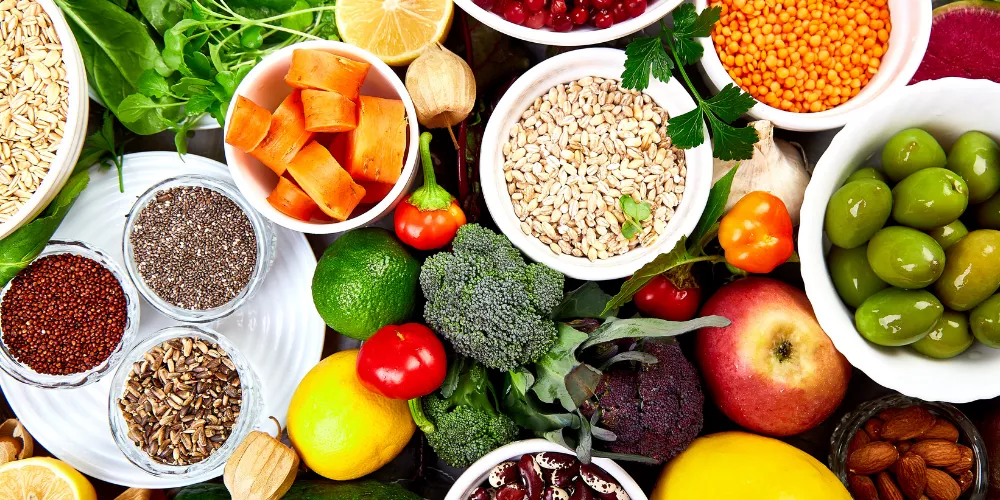
Foods such as fruits, vegetables, whole grains, beans, and lentils are excellent sources of fiber. These foods add bulk to stool and help the intestines move waste through the body more easily. Fiber also feeds beneficial gut bacteria that live in the digestive system. These healthy bacteria help break down food and produce nutrients that support the body.
There are two types of fiber: soluble fiber and insoluble fiber. Soluble fiber dissolves in water and forms a gel-like substance that helps control blood sugar and cholesterol. Insoluble fiber helps move food through the digestive tract more quickly. Both types are important for maintaining a healthy gut.
A diet rich in fiber can also lower the risk of digestive disorders such as hemorrhoids, diverticulosis, and irritable bowel syndrome. Gradually increasing fiber intake and drinking enough water can help prevent discomfort while improving digestive health.
Probiotic Foods Improve Gut Bacteria
The human digestive system contains trillions of bacteria, many of which are helpful for digestion. These beneficial bacteria help break down food, produce certain vitamins, and support the immune system. A healthy diet can help maintain a good balance of these bacteria.
Probiotic foods contain live beneficial bacteria that can support gut health. Common probiotic foods include yogurt, kefir, fermented vegetables, and other fermented products. Many people in the United States now include probiotic foods in their daily meals to support digestion.
When healthy bacteria grow in the gut, they help control harmful bacteria and reduce inflammation in the digestive tract. This balance can improve symptoms such as bloating, gas, and irregular bowel movements. Probiotics may also help people who experience digestive discomfort after taking antibiotics.
Regularly eating probiotic foods can support the natural balance of gut bacteria. Over time, this balance helps the digestive system process food more efficiently and absorb nutrients more effectively.
Hydration Helps the Digestive System Work Properly
Water is another key part of digestive health. The digestive system needs enough fluid to break down food and move waste through the intestines. Without enough water, digestion can slow down and cause problems like constipation.
Drinking water throughout the day helps the body soften stool and move it through the digestive tract. It also helps dissolve nutrients so the body can absorb them properly. Many health experts in the United States recommend drinking several glasses of water daily to support digestion.
Water also works together with fiber to improve bowel movement regularity. When people eat fiber-rich foods but do not drink enough water, they may experience stomach discomfort. Proper hydration allows fiber to function correctly in the digestive system.
In addition to water, foods with high water content such as fruits and vegetables can help support hydration. Maintaining good hydration is a simple but powerful way to support a healthy digestive system.
Balanced Meals Reduce Digestive Stress
Eating balanced meals that include proteins, healthy fats, carbohydrates, vitamins, and minerals can help the digestive system function smoothly. When meals are well balanced, the stomach and intestines can process food more efficiently.
Highly processed foods, excess sugar, and large amounts of unhealthy fats can irritate the digestive tract. These foods may slow digestion and contribute to problems such as acid reflux and bloating. Many people in the United States experience digestive discomfort after eating highly processed or fast foods regularly.
Balanced meals that include whole foods such as vegetables, lean proteins, whole grains, and healthy fats support steady digestion. These foods provide nutrients that help the digestive organs perform their functions properly.
Eating at regular times and avoiding very large meals can also help the digestive system work more efficiently. Smaller, balanced meals throughout the day can reduce pressure on the stomach and help prevent digestive discomfort.
Frequently Asked Questions
Many people have questions about how diet affects digestive health. Understanding these common concerns can help individuals make better food choices.
What foods are best for improving digestive health?
Foods rich in fiber are some of the best choices for digestive health. Fruits, vegetables, whole grains, beans, and nuts help support regular digestion. Probiotic foods such as yogurt and fermented foods also help maintain healthy gut bacteria.
How long does it take for diet changes to improve digestion?
Some people notice improvements within a few days of eating healthier foods. However, it may take several weeks for the digestive system to fully adjust. Consistent healthy eating habits usually lead to long-term digestive benefits.
Conclusion
A healthy diet plays a major role in maintaining strong digestive health. Choosing natural foods, drinking enough water, and eating balanced meals can support the stomach and intestines. Fiber-rich foods help move waste through the digestive system and prevent common problems like constipation. Probiotic foods help maintain healthy gut bacteria that support digestion and immunity. Proper hydration helps the body break down food and absorb nutrients efficiently. Reducing highly processed foods can also decrease digestive discomfort. Over time, simple diet changes can lead to noticeable improvements in digestive health. By focusing on balanced nutrition, people can protect their digestive system and support overall well-being.


 Minhaz

 techshamim